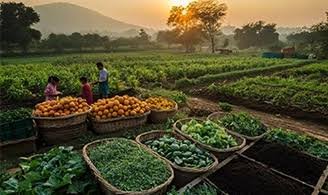
Organic Farming in India: Benefits, Methods, and Tips for Farmers
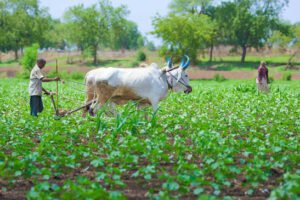
Introduction
Agriculture is an important part of India’s economy, and farmers are continuously looking for better ways to grow healthy crops while managing farming costs. Organic farming is one approach that focuses on improving soil health, recycling natural resources, and reducing dependence on synthetic agricultural inputs.
Organic farming uses practices such as composting, crop rotation, green manuring, and biological pest management. When planned properly, these methods can help farmers build a more sustainable farming system.
In this blog, we will explore the meaning of organic farming, its benefits, common methods, and practical tips for farmers who want to adopt organic practices.
1. What Is Organic Farming?
Organic farming is an agricultural system that emphasizes soil fertility, biodiversity, ecological balance, and responsible management of farm resources.
It commonly uses organic manures, compost, crop rotation, and biological pest-management methods. The use of synthetic fertilizers and pesticides is restricted under organic production standards, and approved inputs must follow the applicable requirements.
The main goal is to produce crops while supporting soil health and reducing environmental impacts.
2. Major Benefits of Organic Farming
Improves Soil Health
Compost, farmyard manure, and other suitable organic materials can add organic matter to the soil. This may improve soil structure, moisture retention, and biological activity over time.
Supports Biodiversity
Crop diversity, flowering plants, and suitable habitat-management practices can support beneficial insects and other organisms that contribute to a healthy agricultural ecosystem.
Recycles Farm Waste
Crop residues and suitable organic waste can be converted into compost instead of being discarded. This helps recycle nutrients within the farming system.
Creates Market Opportunities
Some consumers and buyers seek certified organic products. Farmers may be able to access these markets when they meet applicable production, certification, and traceability requirements. However, organic farming does not automatically guarantee higher prices or profits.
3. Common Methods of Organic Farming
Composting
Composting converts suitable organic materials into a nutrient-rich soil amendment. Farmers can prepare compost using crop residues, leaves, and other appropriate biodegradable materials.
Well-prepared compost should be managed properly to support decomposition and reduce potential contamination risks.
Vermicomposting
Vermicomposting uses earthworms to help convert suitable organic materials into a useful soil amendment. It can be a practical option for farms with access to suitable feedstock and appropriate conditions.
Crop Rotation
Crop rotation involves growing different crops in a planned sequence. Including legumes in suitable rotations can help improve nitrogen management, while crop diversity can help disrupt certain pest and disease cycles.
Green Manuring
Green manuring involves growing selected plants and incorporating them into the soil to add organic matter and support nutrient management.
Biological Pest Management
Biological pest management uses beneficial organisms or biological products to help manage specific pests. The method should be selected according to the crop, pest, local conditions, and applicable recommendations.
4. How to Start Organic Farming
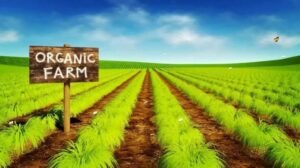
Farmers who want to transition toward organic farming should begin with careful planning.
Step 1: Understand Your Soil
Check soil fertility, pH, drainage, and organic matter. Soil testing can help identify the farm’s requirements.
Step 2: Select Suitable Crops
Choose crops that match the local climate, soil, water availability, and market demand.
Step 3: Prepare Organic Manure
Use properly prepared compost or farmyard manure according to crop requirements. Organic inputs also need suitable handling and quality control.
Step 4: Plan Pest Management
Monitor crops regularly and use preventive, cultural, and biological methods where suitable. Do not assume that every naturally derived product is automatically safe or approved for every crop.
**Step 5: Understand Certificat
Leave a Reply