Category: Blog

Your blog category

  • Crop Rotation in Agriculture: Benefits and Best Practices

    Crop Rotation in Agriculture: Benefits and Best Practices

    Crop Rotation in Agriculture: Benefits, Methods, and Best Practices for Farmers

    Introduction

    Agriculture depends on healthy soil, suitable weather, sufficient water, and proper crop management. However, growing the same crop repeatedly in the same field can increase the risk of certain pests and diseases and may contribute to nutrient imbalances.

    Crop rotation is an important farming practice that helps farmers manage these challenges. It involves growing different crops in a planned sequence on the same piece of land over successive seasons.

    When properly planned, crop rotation can improve soil management, support nutrient cycling, reduce some pest and disease problems, and contribute to sustainable farming.

    In this blog, we will explore the meaning of crop rotation, its benefits, common examples, and practical tips for farmers in India.

    1. What Is Crop Rotation?

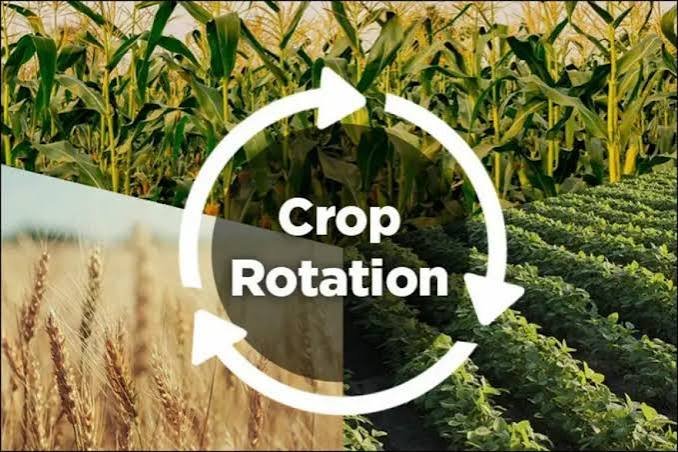
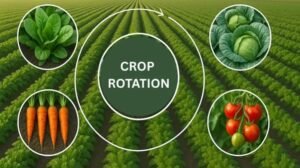
    Crop rotation is the practice of growing different crops in a planned sequence on the same field over multiple growing seasons.

    For example, a farmer may grow soybean during one season and wheat during the next, depending on local climate, irrigation availability, soil conditions, and market demand.

    Different crops have different nutrient requirements, root systems, and relationships with pests and diseases. Planning crop sequences around these differences can help farmers manage their fields more effectively.

    Crop rotation is different from intercropping, where two or more crops are grown together in the same field during the same period.

    2. Why Is Crop Rotation Important?

    Helps Manage Soil Fertility

    Different crops use nutrients in different quantities. Including legumes such as chickpea or suitable beans in a rotation can contribute to nitrogen management through biological nitrogen fixation.

    However, legumes do not automatically replace all fertilizer requirements. Nutrient management should still consider soil tests, crop removal, and local recommendations.

    Helps Break Pest and Disease Cycles

    Some pests and pathogens depend on particular crops or related plant species. Changing crops can interrupt their life cycles and reduce their populations.

    The effectiveness depends on the pest, disease, crop sequence, and how long the field remains unsuitable for the organism.

    Supports Soil Structure

    Crops with different root systems can influence soil structure in different ways. Deep-rooted crops may help explore deeper soil layers, while roots and crop residues can contribute organic matter.

    Improves Farm Planning

    A well-planned rotation can help farmers spread work across seasons, diversify production, and manage risks associated with relying on a single crop.

    3. Common Crop Rotation Examples in India

    Crop rotation should be selected according to the local climate, soil type, irrigation facilities, and cropping season.

    Here are some examples:

    Soybean–Wheat Rotation

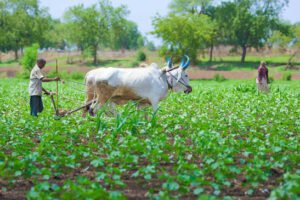
    Soybean followed by wheat is practiced in parts of central India, including areas of Madhya Pradesh. Farmers need to consider rainfall, so

  • Importance of Fertilizers in Agriculture: A Complete Guide

    Importance of Fertilizers in Agriculture: A Complete Guide

    Importance of Fertilizers in Agriculture: Types, Benefits, and Best Practices.

    Introduction

    Agriculture plays a vital role in India’s economy, and healthy crop production is essential for farmers and consumers. To grow properly, plants need essential nutrients from the soil. However, continuous cultivation can reduce the availability of certain nutrients, making proper nutrient management important for successful farming.

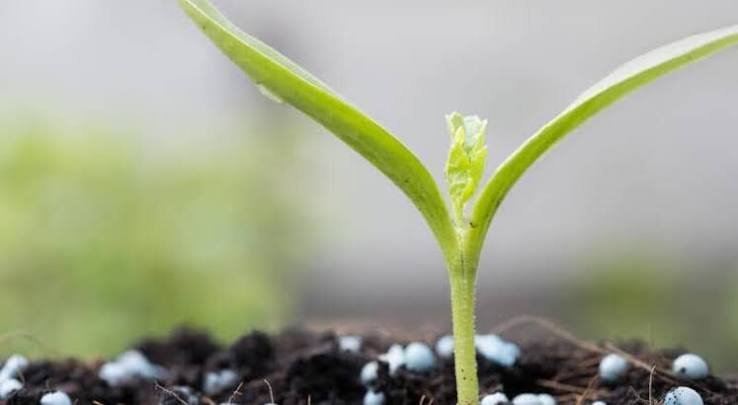
    Fertilizers help supply essential nutrients that support plant growth, root development, flowering, and crop production. When used correctly, they can improve crop nutrition and help farmers achieve better yields.

    In this blog, we will explore the importance of fertilizers in agriculture, their major types, their benefits, and the best practices farmers should follow.

    1. What Are Fertilizers?

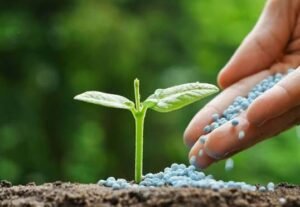
    Fertilizers are materials applied to soil, plants, or growing media to supply essential nutrients required for plant growth.

    Plants need several nutrients, including nitrogen, phosphorus, and potassium. These are commonly known as the primary macronutrients.

    • Nitrogen (N): Supports leaf growth and the formation of proteins.
    • Phosphorus (P): Supports root development, energy transfer, and reproductive growth.
    • Potassium (K): Helps regulate water balance and supports various plant functions.

    Plants also need secondary nutrients and micronutrients, such as calcium, magnesium, sulfur, zinc, and boron, in appropriate amounts.

    The exact nutrient requirement depends on the crop, soil type, growth stage, and environmental conditions.

    2. Why Are Fertilizers Important in Agriculture?

    Supports Healthy Plant Growth

    Plants require a balanced supply of nutrients to develop strong roots, leaves, stems, and reproductive structures. Fertilizers can help correct nutrient deficiencies when applied according to crop requirements.

    Helps Improve Crop Productivity

    When nutrient availability limits growth, proper fertilization can improve crop development and yield. However, fertilizers alone cannot guarantee high production because water, weather, seeds, pests, and other factors also affect results.

    Helps Correct Nutrient Deficiencies

    Yellowing leaves, poor growth, and reduced flowering may sometimes indicate nutrient deficiencies. Soil testing and expert diagnosis help identify the actual cause before fertilizer application.

    Supports Better Nutrient Management

    A well-planned fertilizer schedule can help farmers apply nutrients at suitable times and avoid unnecessary input costs.

    3. Major Types of Fertilizers Used in Agriculture

    A. Nitrogen Fertilizers

    Nitrogen fertilizers supply nitrogen, an important nutrient for vegetative growth.

    Examples include:

    • Urea
    • Ammonium sulfate
    • Calcium ammonium nitrate, where available and appropriate

    Nitrogen requirements vary by crop. Excessive nitrogen can cause problems such as excessive vegetative growth, lodging in some crops, and increased nutrient losses.

    B. Phosphorus Fertilizers

    Phosphorus fertilizers help supply phosphorus for root development and energy-related processes within plants.

    Examples include:

    • Single superphosphate (SSP)
    • Diammonium phosphate (DAP)
    • Monoammonium phosphate (MAP)

    The appropriate product depends on soil conditions, crop requirements, and the nutrient content of the fertilizer.

    C. Potassium Fertilizers

    Potassium supports water regulation, enzyme activity, and other essential plant processes.

    Examples include:

    • Muriate of potash (MOP)
    • Sulfate of potash (SOP)

    The choice should depend on the crop’s potassium requirement and its sensitivity to chloride or other product characteristics.

    D. Organic Fertilizers and Manures

    Organic nutrient sources contribute nutrients and, in many cases, organic matter to the soil.

    Examples include:

    • Farmyard manure
    • Compost
    • Vermicompost
    • Other suitable, properly processed organic materials

    Nutrient availability varies between materials, so their contribution should be considered when planning overall crop nutrition.

    E. Biofertilizers

    Biofertilizers contain beneficial microorganisms that support nutrient availability or nutrient cycling under suitable conditions.

    Examples include selected Rhizobium, Azotobacter, and phosphate-solubilizing microbial products.

    Farmers should choose products suitable for their crops, check the label and expiry date, and follow the recommended storage and application instructions.

    4. How to Choose the Right Fertilizer

    Selecting a fertilizer should begin with understanding the crop’s nutrient requirements rather than choosing a product only because it is popular.

    Follow these steps:

    Step 1: Test the Soil

    A soil test provides information about nutrient status and pH, helping farmers make informed fertilizer decisions.

    Step 2: Identify Crop Requirements

    Different crops require different amounts of nutrients. Crop growth stage also influences nutrient demand.

    Step 3: Select the Appropriate Product

    Compare nutrient content, suitability, quality, and application instructions before choosing a fertilizer.

    Step 4: Apply the Recommended Quantity

    Follow soil-test recommendations and local agricultural guidance. Avoid excessive application, as it can waste money and harm the environment.

    Step 5: Monitor Crop Growth

    Observe the crop after application and seek expert advice if symptoms of nutrient deficiency or toxicity appear.

    5. Common Fertilizer Application Methods

    Soil Application

    Fertilizer

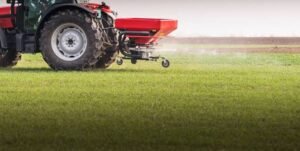
    s are applied to the soil so nutrients can become available to plant roots. Placement and timing depend on the fertilizer and crop.

    Foliar Application

    Suitable nutrient formulations are sprayed onto plant leaves. Foliar feeding can help address certain nutrient requirements, but it does not replace all soil nutrient applications.

    Fertigation

    Fertigation involves applying suitable fertilizers through an irrigation system. It can help deliver nutrients efficiently when the equipment, water quality, and fertilizer compatibility are appropriate.

    Always follow product-specific instructions to prevent crop injury and irrigation-system problems.

    6. Common Fertilizer Mistakes Farmers Should Avoid

    Some fertilizer practices can reduce efficiency and increase costs.

    • Applying fertilizer without con
  • Organic Farming in India: Benefits, Methods & Tips

    Organic Farming in India: Benefits, Methods & Tips

    Organic Farming in India: Benefits, Methods, and Tips for Farmers

    Introduction

    Agriculture is an important part of India’s economy, and farmers are continuously looking for better ways to grow healthy crops while managing farming costs. Organic farming is one approach that focuses on improving soil health, recycling natural resources, and reducing dependence on synthetic agricultural inputs.

    Organic farming uses practices such as composting, crop rotation, green manuring, and biological pest management. When planned properly, these methods can help farmers build a more sustainable farming system.

    In this blog, we will explore the meaning of organic farming, its benefits, common methods, and practical tips for farmers who want to adopt organic practices.

    1. What Is Organic Farming?

    Organic farming is an agricultural system that emphasizes soil fertility, biodiversity, ecological balance, and responsible management of farm resources.

    It commonly uses organic manures, compost, crop rotation, and biological pest-management methods. The use of synthetic fertilizers and pesticides is restricted under organic production standards, and approved inputs must follow the applicable requirements.

    The main goal is to produce crops while supporting soil health and reducing environmental impacts.

    2. Major Benefits of Organic Farming

    Improves Soil Health

    Compost, farmyard manure, and other suitable organic materials can add organic matter to the soil. This may improve soil structure, moisture retention, and biological activity over time.

    Supports Biodiversity

    Crop diversity, flowering plants, and suitable habitat-management practices can support beneficial insects and other organisms that contribute to a healthy agricultural ecosystem.

    Recycles Farm Waste

    Crop residues and suitable organic waste can be converted into compost instead of being discarded. This helps recycle nutrients within the farming system.

    Creates Market Opportunities

    Some consumers and buyers seek certified organic products. Farmers may be able to access these markets when they meet applicable production, certification, and traceability requirements. However, organic farming does not automatically guarantee higher prices or profits.

    3. Common Methods of Organic Farming

    Composting

    Composting converts suitable organic materials into a nutrient-rich soil amendment. Farmers can prepare compost using crop residues, leaves, and other appropriate biodegradable materials.

    Well-prepared compost should be managed properly to support decomposition and reduce potential contamination risks.

    Vermicomposting

    Vermicomposting uses earthworms to help convert suitable organic materials into a useful soil amendment. It can be a practical option for farms with access to suitable feedstock and appropriate conditions.

    Crop Rotation

    Crop rotation involves growing different crops in a planned sequence. Including legumes in suitable rotations can help improve nitrogen management, while crop diversity can help disrupt certain pest and disease cycles.

    Green Manuring

    Green manuring involves growing selected plants and incorporating them into the soil to add organic matter and support nutrient management.

    Biological Pest Management

    Biological pest management uses beneficial organisms or biological products to help manage specific pests. The method should be selected according to the crop, pest, local conditions, and applicable recommendations.

    4. How to Start Organic Farming


    Farmers who want to transition toward organic farming should begin with careful planning.

    Step 1: Understand Your Soil

    Check soil fertility, pH, drainage, and organic matter. Soil testing can help identify the farm’s requirements.

    Step 2: Select Suitable Crops

    Choose crops that match the local climate, soil, water availability, and market demand.

    Step 3: Prepare Organic Manure

    Use properly prepared compost or farmyard manure according to crop requirements. Organic inputs also need suitable handling and quality control.

    Step 4: Plan Pest Management

    Monitor crops regularly and use preventive, cultural, and biological methods where suitable. Do not assume that every naturally derived product is automatically safe or approved for every crop.

    **Step 5: Understand Certificat

  • Modern Farming in India: Techniques for Better Crop Growth

    Modern Farming in India: Techniques for Better Crop Growth

    Introduction

    Farming is one of the most important sectors of the Indian economy. Millions of farmers depend on agriculture for their livelihood, and it plays a major role in providing food to the country’s growing population. However, changing weather conditions, soil degradation, pest attacks, and rising input costs have made farming more challenging.

    Today, modern farming techniques are helping farmers improve crop production, use resources efficiently, and maintain soil health. By combining traditional agricultural knowledge with modern technology, farmers can work toward better productivity and more sustainable farming.

    In this blog, we will explore modern farming techniques, soil management practices, and practical ways to improve crop growth.

    1. What Is Modern Farming?

    Modern farming refers to the use of improved agricultural practices, scientific knowledge, machinery, and technology to increase farm productivity.

    Unlike traditional methods alone, modern farming focuses on making better use of water, fertilizers, seeds, and other agricultural resources.

    Some common modern farming practices include:

    • Using high-quality seeds suitable for local conditions.
    • Applying fertilizers according to soil requirements.
    • Adopting drip irrigation and sprinkler systems.
    • Using machinery for sowing, spraying, and harvesting.
    • Monitoring crops for pests and diseases.
    • Following sustainable soil management practices.

    These techniques can help farmers make informed decisions and manage their farms more efficiently.

    2. Importance of Soil Health in Farming

    Healthy soil is the foundation of successful agriculture. It provides essential nutrients, supports root development, stores water, and helps plants grow properly.

    Poor soil health can reduce crop growth and affect overall productivity.

    How to Improve Soil Health

    Conduct soil testing: Soil testing helps identify nutrient deficiencies and determine the soil’s pH level. Farmers can use these results to make better fertilizer decisions.

    Add organic matter: Farmyard manure, compost, and suitable organic materials can improve soil structure and support beneficial soil organisms.

    Practice crop rotation: Growing different crops in successive seasons can help manage certain pests and diseases while improving soil management.

    Avoid excessive fertilizer application: Applying fertilizers beyond crop requirements can waste money and contribute to environmental problems.

    Healthy soil supports stronger crops and helps farmers maintain productivity over time.

    3. Choose the Right Seeds for Better Crop Growth

    Seed selection is an important step in crop production. Good-quality seeds with suitable characteristics can support uniform germination, healthy plant growth, and better crop performance.

    Before selecting seeds, farmers should consider:

    • Local climate and soil conditions.
    • Availability of irrigation facilities.
    • Crop duration and growing season.
    • Resistance or tolerance to relevant pests and diseases.
    • Recommendations from agricultural experts and authorized seed suppliers.

    Farmers should always purchase seeds from reliable sources and follow the instructions provided on the seed packaging.

    4. Use Water Efficiently with Smart Irrigation

    Water is essential for crop growth, but improper irrigation can waste water and damage crops.

    Modern irrigation methods help farmers supply water more efficiently.

    Drip Irrigation

    Drip irrigation delivers water close to the plant roots. It can reduce water loss and is particularly useful for many vegetable, fruit, and other suitable crops.

    Sprinkler Irrigation

    Sprinkler systems distribute water over crops in a way similar to rainfall. They can be useful for different crops and field conditions when properly designed.

    Proper Irrigation Scheduling

    Farmers should consider soil moisture, crop growth stages, rainfall, and local weather conditions before irrigating. Avoiding both water stress and waterlogging helps maintain healthy crop development.

    5. Integrated Pest and Disease Management

    Pests and diseases can damage crops and reduce their marketable yield. Regular crop monitoring helps farmers identify problems before they spread widely.

    Integrated Pest Management (IPM) combines different methods to manage pests responsibly.

    Important practices include:

    • Inspecting crops regularly for early signs of infestation.
    • Using crop rotation and field sanitation where appropriate.
    • Encouraging beneficial insects and using biological controls when suitable.
    • Using traps and monitoring tools for relevant pests.
    • Applying approved pesticides only when needed and according to label directions.

    Always follow the product label, recommended dosage, protective equipment requirements, and pre-harvest intervals. Consult a qualified agricultural expert when the pest or disease is difficult to identify.

    6. Balanced Fertilizer Use for Healthy Crops

    Plants require essential nutrients such as nitrogen, phosphorus, and potassium for healthy growth. However, every crop and soil type has different nutrient requirements.

    Balanced fertilizer management helps farmers provide nutrients according to crop needs.

    For better fertilizer management:

    1. Test the soil before making fertilizer decisions.
    2. Select fertilizers based on soil test results and crop requirements.
    3. Apply the recommended quantity at the appropriate crop growth stage.
    4. Avoid unnecessary or excessive applications.
    5. Combine suitable organic matter management with recommended mineral fertilizers where appropriate.

    The goal is not simply to apply more fertilizer, but to provide the right nutrients in the right amount at the right time.

    7. Sustainable Farming Practices for the Future

    Sustainable farming aims to produce food while protecting natural resources and maintaining long-term farm productivity.

    Some useful practices include:

    Crop rotation: Alternating crops can help manage specific pests and diseases and improve cropping-system diversity.

    Mulching: Covering the soil with suitable organic or other appropriate mulch materials can help conserve moisture and suppress weeds.

    Water conservation: Efficient irrigation and rainwater harvesting, where feasible, can improve water management.

    Organic matter management: Compost and farmyard manure can contribute to soil organic matter when used appropriately.

    Integrated nutrient management: Combining suitable organic and mineral nutrient sources can help meet crop needs while supporting soil health.

    The most suitable practices depend on local soil conditions, climate, crop type, and available resources.

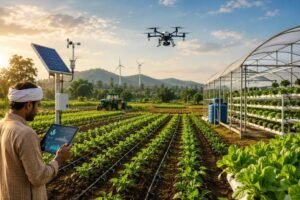
    8. How Technology Is Changing Indian Agriculture

    Technology is creating new opportunities for farmers to manage their fields more effectively.

    Some examples include:

    • Weather forecasting: Helps farmers plan sowing, irrigation, and other field activities.
    • Mobile agriculture applications: Provide access to farming information, market updates, and weather alerts.
    • Soil testing services: Help identify nutrient requirements.
    • Precision farming: Uses field information and technology to manage inputs more accurately.
    • Farm machinery: Can reduce manual effort and improve operational efficiency.

    Farmers should choose technologies that address their actual needs and provide practical value for their farm size and budget.

    Conclusion

    Modern farming is about making informed decisions, improving resource efficiency, and maintaining healthy soil. By selecting suitable seeds, using balanced fertilizers, managing irrigation carefully, and monitoring pests and diseases, farmers can improve crop management and work toward better productivity.

    There is no single farming technique that works for every field. The best results come from choosing practices that match local conditions and following reliable agricultural advice.

    Healthy soil, informed decisions, and responsible farming practices are the foundation of a stronger agricultural future.

    Frequently Asked Questions (FAQs)

    Q1. Which farming techniques can help improve crop productivity?

    Soil testing, suitable seed selection, balanced fertilization, efficient irrigation, crop monitoring, and integrated pest management can help improve crop productivity.

    Q2. Why is soil testing important for farmers?

    Soil testing helps identify nutrient levels and soil pH, allowing farmers to make more informed fertilizer and soil-management decisions.

    Q3. How can farmers reduce water wastage?

    Farmers can consider drip irrigation, sprinkler systems, proper irrigation scheduling, and soil-moisture management, depending on their crops and field conditions.

    Q4. What is sustainable farming?

    Sustainable farming focuses on producing crops while protecting soil, conserving water, managing inputs responsibly, and supporting long-term agricultural productivity.

    Q5. How can farmers manage pests safely?

    Regular crop monitoring, suitable preventive practices, biological controls where appropriate, and responsible use of approved pesticides can help manage pests safely.