Crop Rotation in Agriculture: Benefits, Methods, and Best Practices for Farmers
Introduction
Agriculture depends on healthy soil, suitable weather, sufficient water, and proper crop management. However, growing the same crop repeatedly in the same field can increase the risk of certain pests and diseases and may contribute to nutrient imbalances.
Crop rotation is an important farming practice that helps farmers manage these challenges. It involves growing different crops in a planned sequence on the same piece of land over successive seasons.
When properly planned, crop rotation can improve soil management, support nutrient cycling, reduce some pest and disease problems, and contribute to sustainable farming.
In this blog, we will explore the meaning of crop rotation, its benefits, common examples, and practical tips for farmers in India.
1. What Is Crop Rotation?
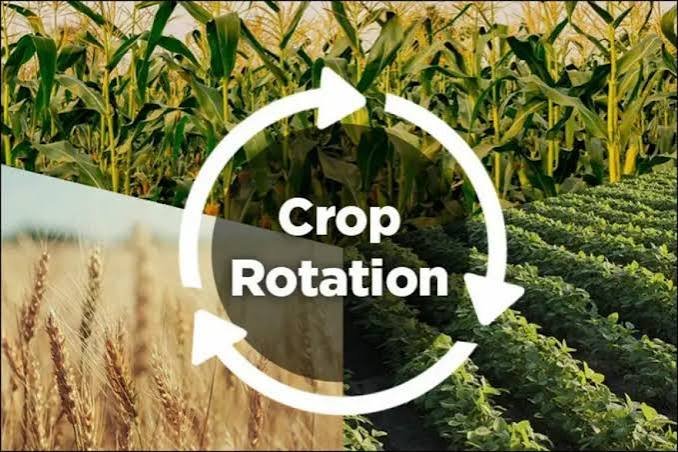
Crop rotation is the practice of growing different crops in a planned sequence on the same field over multiple growing seasons.
For example, a farmer may grow soybean during one season and wheat during the next, depending on local climate, irrigation availability, soil conditions, and market demand.
Different crops have different nutrient requirements, root systems, and relationships with pests and diseases. Planning crop sequences around these differences can help farmers manage their fields more effectively.
Crop rotation is different from intercropping, where two or more crops are grown together in the same field during the same period.
2. Why Is Crop Rotation Important?
Helps Manage Soil Fertility
Different crops use nutrients in different quantities. Including legumes such as chickpea or suitable beans in a rotation can contribute to nitrogen management through biological nitrogen fixation.
However, legumes do not automatically replace all fertilizer requirements. Nutrient management should still consider soil tests, crop removal, and local recommendations.
Helps Break Pest and Disease Cycles
Some pests and pathogens depend on particular crops or related plant species. Changing crops can interrupt their life cycles and reduce their populations.
The effectiveness depends on the pest, disease, crop sequence, and how long the field remains unsuitable for the organism.
Supports Soil Structure
Crops with different root systems can influence soil structure in different ways. Deep-rooted crops may help explore deeper soil layers, while roots and crop residues can contribute organic matter.
Improves Farm Planning
A well-planned rotation can help farmers spread work across seasons, diversify production, and manage risks associated with relying on a single crop.
3. Common Crop Rotation Examples in India

Crop rotation should be selected according to the local climate, soil type, irrigation facilities, and cropping season.
Here are some examples:
Soybean–Wheat Rotation
Soybean followed by wheat is practiced in parts of central India, including areas of Madhya Pradesh. Farmers need to consider rainfall, so
Leave a Reply